
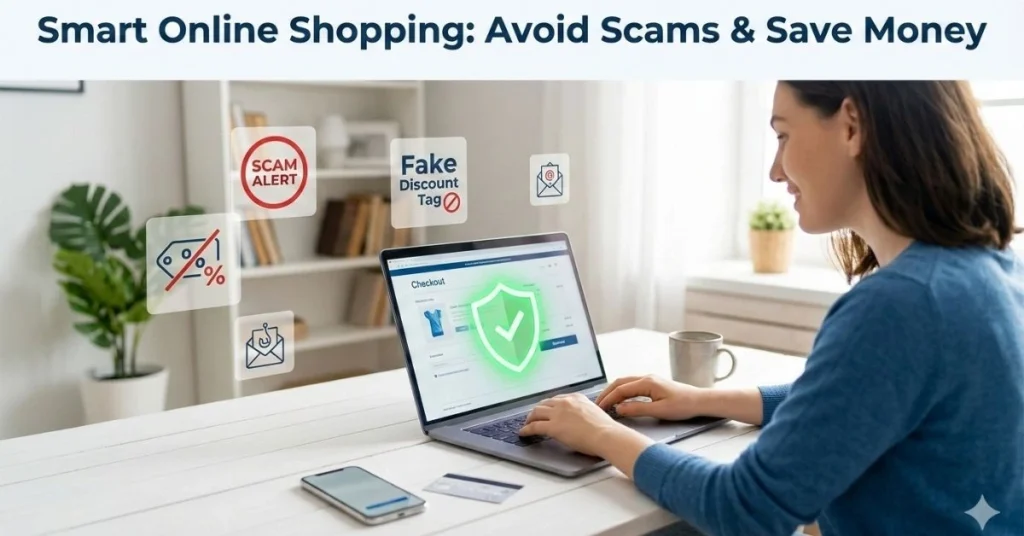
Online shopping has made life easier than ever. With just a few clicks, you can compare prices, explore thousands of products, and get items delivered right to your door. However, the rise of e-commerce has also brought an increase in fake websites, misleading ads, and online scams. Learning how to shop smartly online is no longer optional — it’s essential.
In this guide, you’ll learn practical tips to protect your money, avoid common traps, and make confident buying decisions every time you shop online.

Why Smart Online Shopping Matters
Many shoppers focus only on finding the lowest price, but smart shopping is about more than discounts. It’s about safety, value, and making informed choices. Scammers often create deals that look too good to be true, using fake reviews or stolen product photos to trick buyers.
A smart shopper asks questions before purchasing:
- Is the website trustworthy?
- Are the reviews genuine?
- Is the product really worth the price?
By developing these habits, you reduce risk and improve your overall shopping experience.
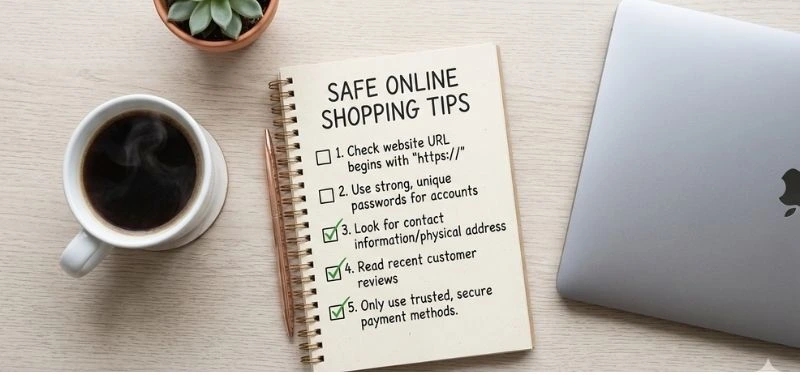
1. Always Check Website Credibility
Before entering payment details, take a moment to examine the website itself. A legitimate store usually has clear contact information, refund policies, and professional design. Warning signs of scam websites include:
- Poor spelling and grammar
- Unrealistic discounts (like 90% off branded products)
- No physical address or customer support details
- Recently created domains
Look for “https” in the URL and a small padlock icon, which indicates a secure connection. While this doesn’t guarantee the site is safe, it’s a basic requirement.
2. Read Reviews — But Read Them Smartly

Product reviews are helpful, but not all reviews are real. Some sellers use fake feedback to make their products appear popular.
Here’s how to spot genuine reviews:
- Balanced comments that mention both pros and cons
- Detailed user experiences instead of short one-line praise
- Photos or videos from real buyers
If all reviews sound overly perfect or use similar wording, it may be a sign of manipulation. Checking multiple platforms can also help confirm whether the product is truly reliable.
3. Compare Prices Before Buying

Smart online shoppers never buy the first product they see. Comparing prices across different stores helps you understand the real market value.
Sometimes a product listed as “50% off” is actually priced higher than the average elsewhere. Use comparison tools or simply open multiple tabs to review similar options. This small habit can save you significant money over time.
4. Avoid Emotional Buying Traps
Many online ads are designed to create urgency. Messages like “Only 2 left!” or “Sale ends in 10 minutes!” push you to buy quickly without thinking.
Before clicking the checkout button, ask yourself:
- Do I really need this product?
- Have I checked alternatives?
- Is this a planned purchase or an impulse decision?
Taking even a few minutes to pause can prevent regret later.
5. Understand Return and Refund Policies
A trustworthy online store clearly explains how returns work. Always read the return policy before buying, especially for electronics, clothing, or high-value items.
Look for:
- Return time limits (e.g., 15 or 30 days)
- Who pays for return shipping
- Restocking fees
If the return policy is unclear or hidden, consider it a red flag.
6. Use Safe Payment Methods
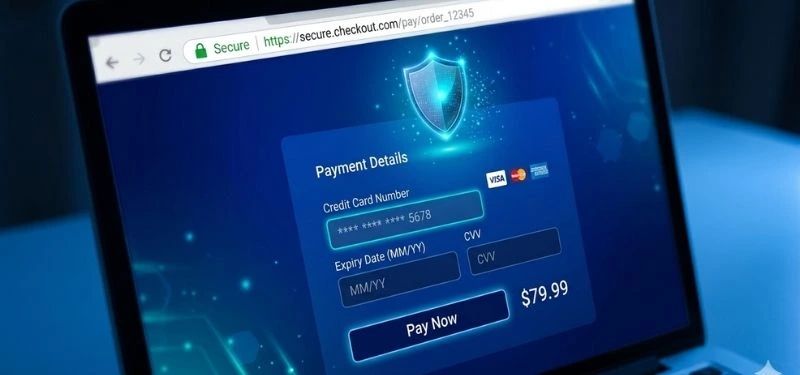
Payment safety is one of the most important parts of online shopping. Whenever possible, use credit cards or trusted payment systems instead of direct bank transfers or unknown payment links.
Safer payment options often include:
- Credit cards with fraud protection
- Secure digital wallets
- Trusted checkout systems
Avoid sending money through gift cards, cryptocurrency, or wire transfers when buying from unfamiliar sellers — these are common tools used in scams.
7. Watch Out for Social Media Scams
Social media platforms are full of eye-catching product ads, but not all of them lead to legitimate stores. Some fake brands run short-term ads, collect payments, and disappear.
Before buying from a social media ad:
- Search the brand name on Google
- Check if the website has real customer feedback
- Look for a history of posts or engagement
If a store appeared only recently and offers extreme discounts, proceed carefully.
8. Protect Your Personal Information
Smart shoppers also protect their data. Never share unnecessary personal details when checking out. Be cautious if a website asks for information unrelated to your purchase.
Simple safety habits include:
- Using strong, unique passwords
- Avoiding public Wi-Fi for payments
- Enabling two-factor authentication on shopping accounts
These steps reduce the chances of identity theft and account hacking.
9. Keep Track of Your Orders
After placing an order, save confirmation emails and tracking numbers. Reliable stores usually provide updates about shipping status and delivery timelines.
If you don’t receive confirmation or tracking details within a reasonable time, contact customer support immediately. Monitoring your orders helps you act quickly if something goes wrong.
Final Thoughts: Shop Smarter, Not Just Cheaper
Online shopping can be convenient, exciting, and budget-friendly — but only when done wisely. The goal isn’t just to find the cheapest deal; it’s to find genuine value without risking your money or personal information.
By checking website credibility, reading reviews carefully, comparing prices, and using secure payment methods, you can avoid most online scams and make smarter buying decisions. Over time, these habits will help you become a confident online shopper who knows how to spot real deals and avoid costly mistakes.
FAQs – Smart Online Shopping
Q1. How can I tell if an online store is legit?
Check for HTTPS security, customer reviews, clear contact information, return policies, and domain age. Avoid websites with extreme discounts and poor grammar.
Q2. What is the safest way to pay online?
Using a credit card or trusted payment gateway with fraud protection is the safest option. Avoid wire transfers, gift cards, or cryptocurrency for unknown sellers.
Q3. Why are some online deals too cheap?
Scammers often use unrealistically low prices to attract buyers quickly. If the deal looks too good to be true, it probably is.
Q4. How do I avoid impulse buying online?
Wait at least 24 hours before making non-essential purchases. Compare prices and check reviews before completing your order.
Q5. What should I do if I get scammed online?
Contact your bank immediately, report the transaction, change your passwords, and file a complaint with your local consumer protection agency.